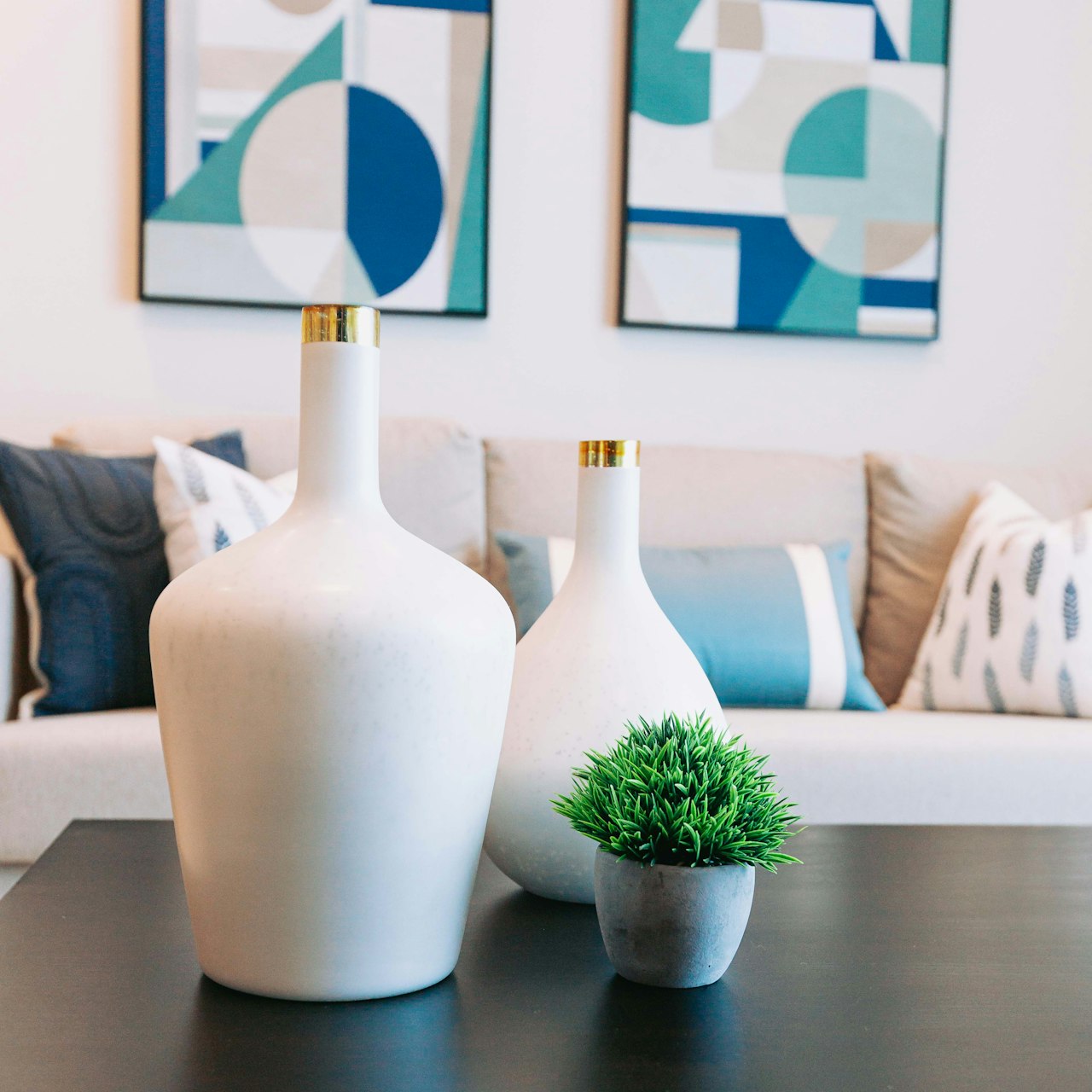
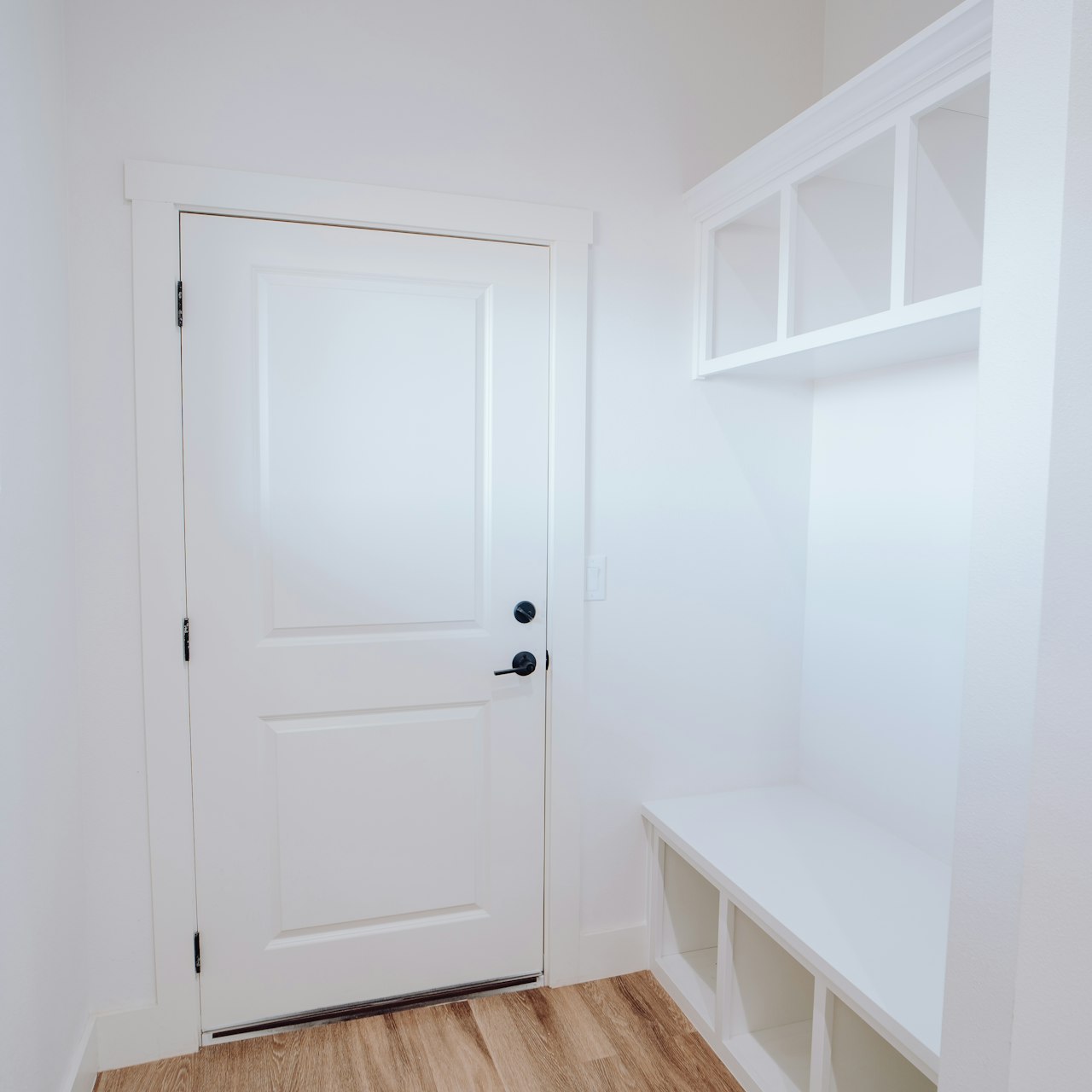
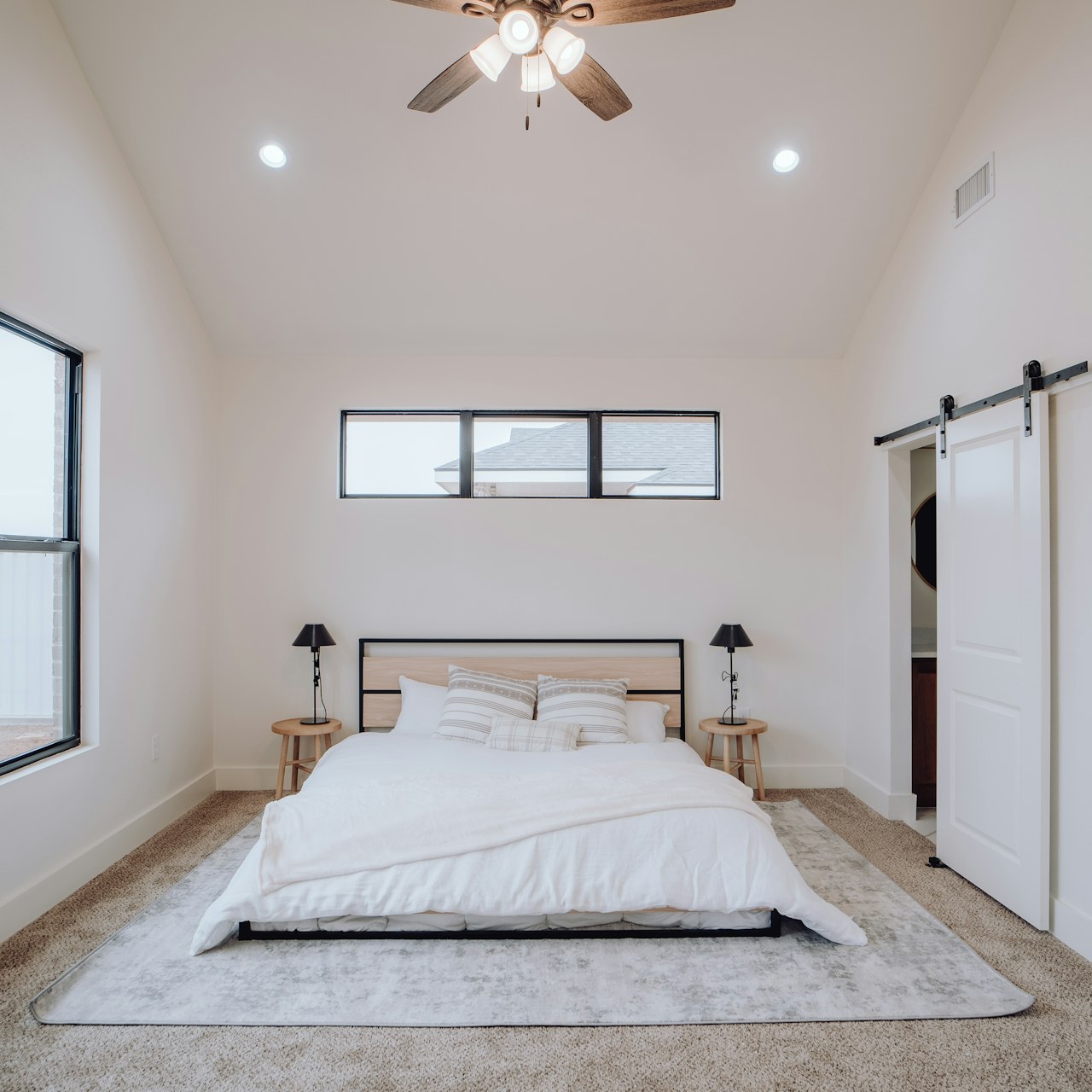
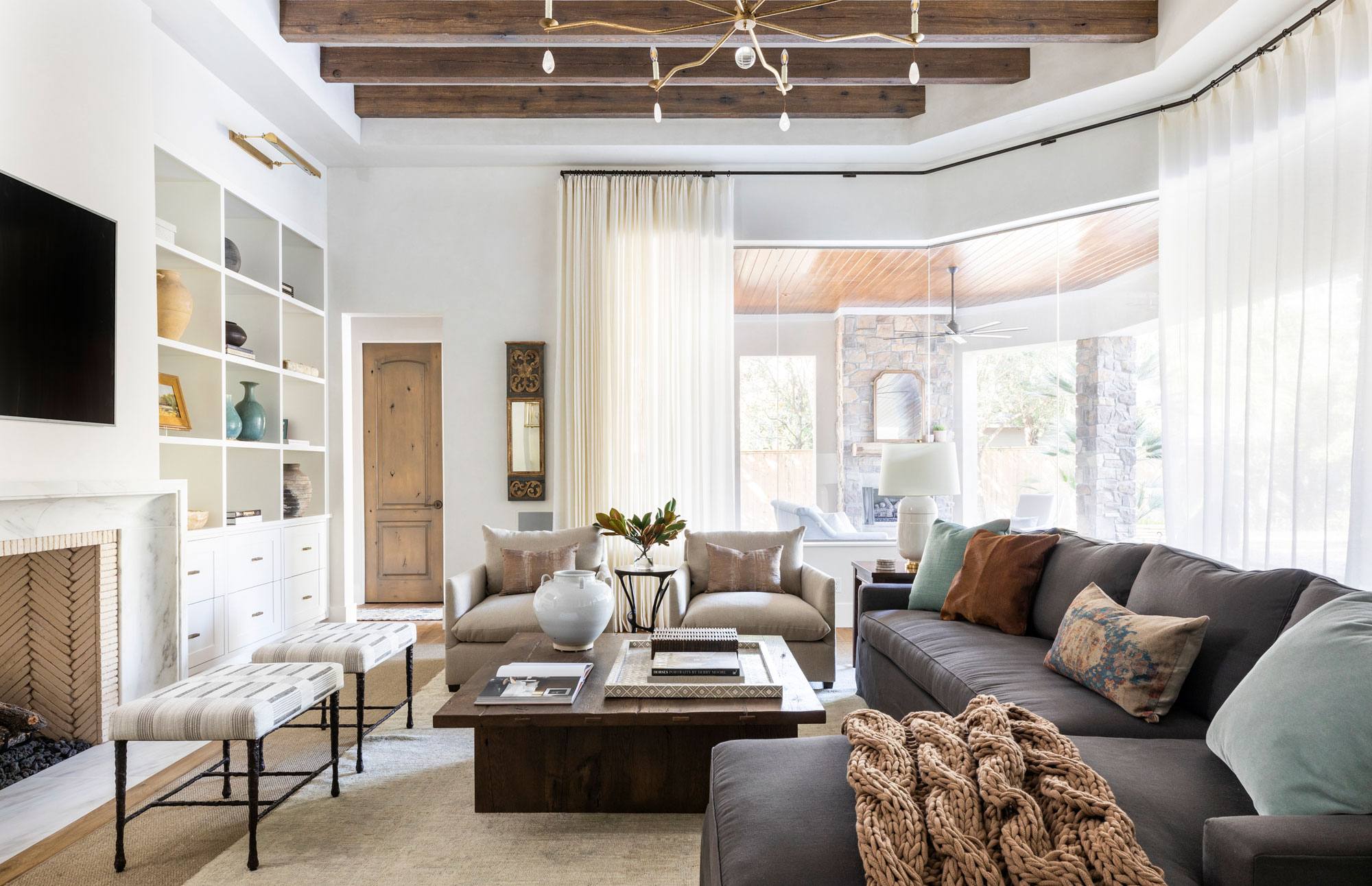
At Zylvorix , design concept development is the foundation of every successful interior project. A strong concept defines how a space looks, feels, and functions long before physical work begins. Our approach is thoughtful, structured, and deeply connected to the purpose of the space and the people who use it. By translating ideas into a clear visual and functional direction, we create interiors that are coherent, expressive, and well-balanced.
Design concept development is the process of shaping a unified interior vision. It connects architectural features, functional requirements, and personal preferences into a single, clearly defined direction. This concept acts as a guiding framework for all future design decisions, ensuring consistency and clarity throughout the project.
At Zylvorix , we treat this stage as a strategic and creative process rather than a decorative exercise. Every element is considered in relation to the whole.
We follow a structured workflow that allows ideas to evolve into a clear and usable design concept.
We begin by analyzing the physical characteristics of the interior, including:
This analysis ensures that the concept respects the space rather than working against it.
Each space serves a specific function. Whether residential or professional, we define how the space should support daily activities, movement, and interaction. This step allows the concept to remain practical while still visually engaging.
A successful concept reflects the client’s vision while maintaining professional balance and design clarity. We carefully interpret preferences related to atmosphere, style, and comfort, transforming them into a refined design language.
This stage includes:
Our goal is to create a concept that feels personal without being overly literal or restrictive.
Color plays a central role in shaping perception and atmosphere. During concept development, we select a cohesive color palette that supports light, scale, and materiality.
Color planning considers:
The resulting palette sets the emotional rhythm of the interior and guides future material and décor selections.
Although detailed specifications may come later, concept development establishes a clear material direction. We define the types of textures, finishes, and surface qualities that will shape the interior experience.
This includes:
These decisions help ensure the interior feels cohesive and intentional from the earliest stages.
To communicate the concept effectively, we present it in a clear and visually structured format. This allows clients and collaborators to fully understand the design direction.
Concept presentation may include:
This clarity minimizes confusion and supports confident decision-making in later phases.
A well-developed concept prevents inconsistency and fragmented decisions. It serves as a reference point throughout the entire design process, helping maintain alignment between aesthetics, function, and execution.
Key benefits include:
At Zylvorix , design concept development is where vision becomes structure. We combine analytical thinking with creative sensitivity to shape interiors that are meaningful, refined, and adaptable. Our concepts are designed to guide, inspire, and support spaces that remain relevant and engaging over time.
 Zylvorix